
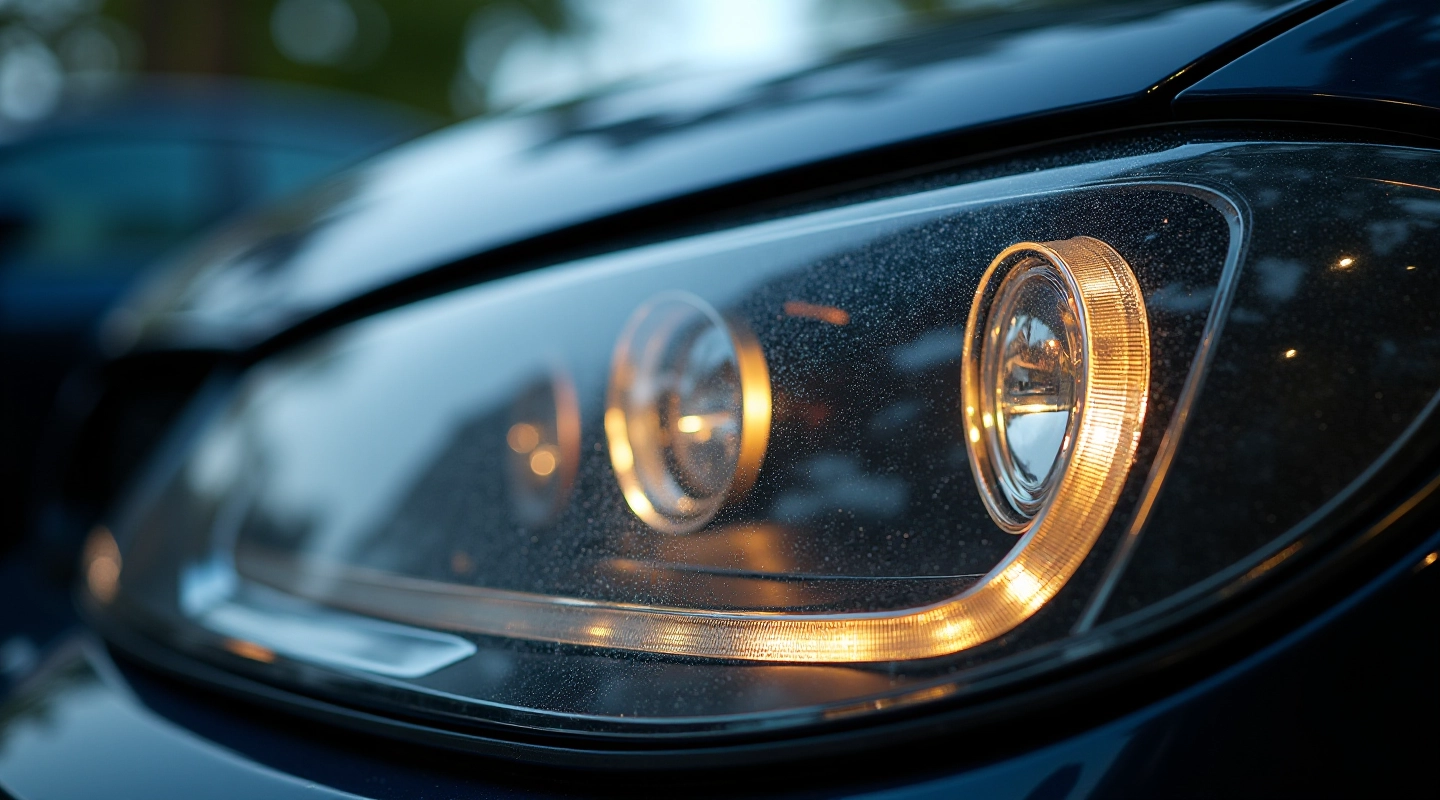
Why Headlights Get Cloudy and What Causes It
Understand the science behind lens oxidation. UV rays, moisture, and age all play a role in headlight degradation.
After restoration, simple habits can help protect your lenses. Regular cleaning, parking in shade, and seasonal checks make a real difference.

Author
Written by the marloline editorial team, focused on practical guidance for headlight restoration and lens care.
You've just had your headlights professionally restored. They're bright again, the UV sealant is fresh, and your visibility is back to normal. But here's the thing — that protection won't last forever without a little care from you.
The good news? Keeping your headlights clear isn't complicated. It's not about expensive products or complicated routines. We're talking basic habits that take minutes and make months of difference. Most people overlook this step, which is why we see headlights get cloudy again within a year or two. Don't let that happen to yours.
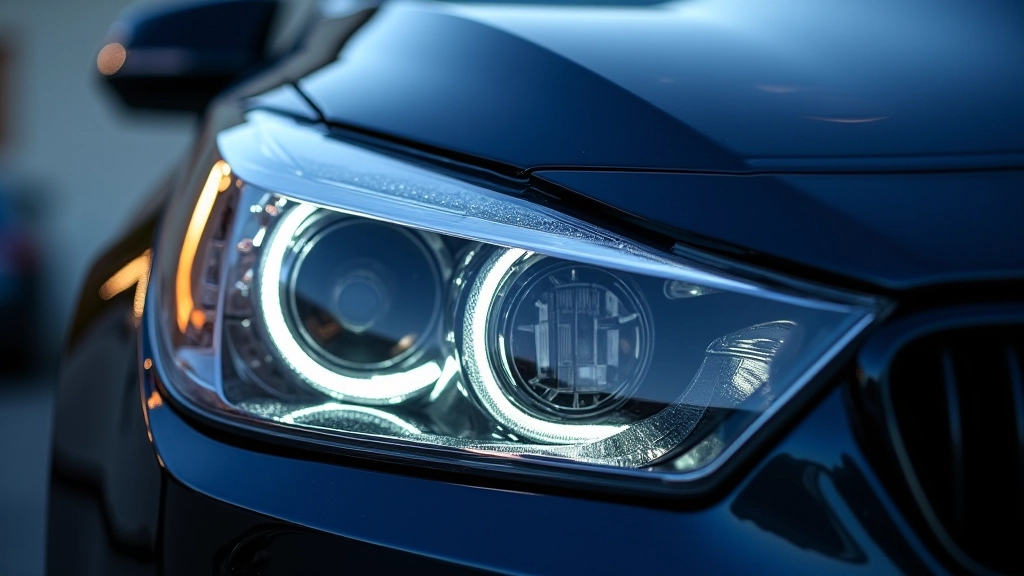
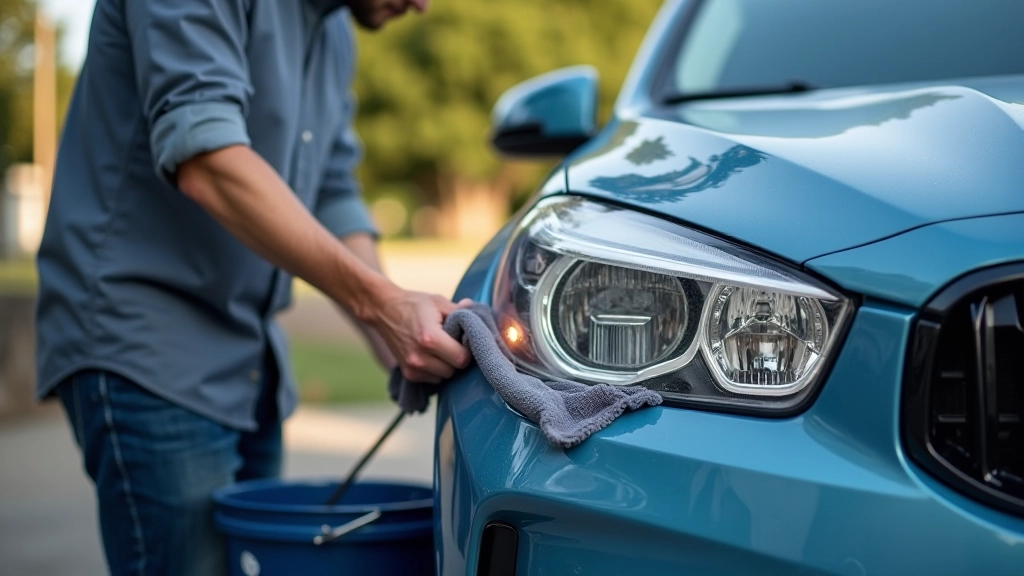
Regular cleaning is your first line of defense. Dirt, dust, and road grime build up on your lenses constantly. That grit doesn't just make your headlights look dull — it can actually damage the protective coating if you're not careful.
Here's what works: Use warm soapy water and a soft cloth or microfiber towel. Don't grab the rough car wash brush or your sleeve. Those will scratch the lens surface. Instead, rinse the headlight first with plain water to remove loose debris, then use the soft cloth with a little car soap. Dry it completely with a clean towel.
How often? Monthly is ideal, especially if you drive in dusty conditions. If you're in a cleaner climate, every 6-8 weeks is fine. The key is staying consistent. Just like washing your windshield, it becomes part of your routine and takes maybe two minutes per headlight.
Pro tip: Avoid using wax or polish on your headlights. The UV sealant is already doing that job, and extra products can create a sticky buildup that attracts more dirt.
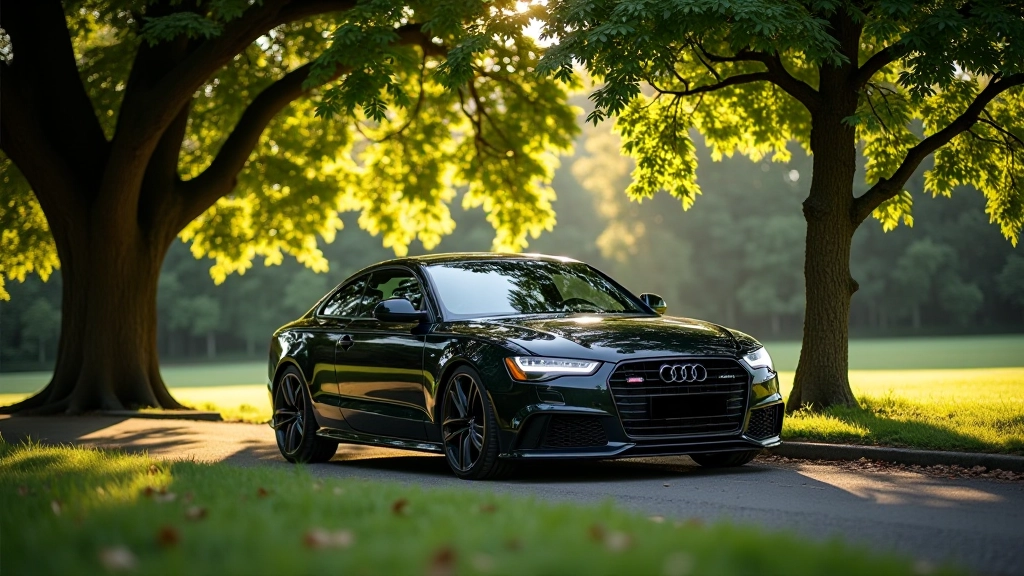
This one's simple but powerful. UV rays are what caused the cloudiness in the first place. Even though your lenses now have UV sealant protection, that coating will degrade faster if you're constantly exposing your headlights to direct sunlight.
Whenever possible, park in shade. Under a tree, in a garage, under a carport — any of these will extend the life of your headlight coating significantly. If you're parked in a driveway all day in full sun, you're working against yourself. We're not saying you need to obsess over this, but when you have a choice between a shady spot and a sunny one, the shade is always better.
Long-term parking matters too. If your car sits unused for weeks, try to keep it covered or parked where it gets some shade. It's one of those small decisions that compounds over time. Over 2-3 years, it makes the difference between headlights that stay clear and headlights that start showing oxidation again.
This guide is for educational purposes about general headlight maintenance practices. Results and durability of protective coatings depend on many factors including climate, driving conditions, and product quality. For specific concerns about your vehicle's headlights or restoration work, consult with an automotive professional or the service provider who performed your restoration.
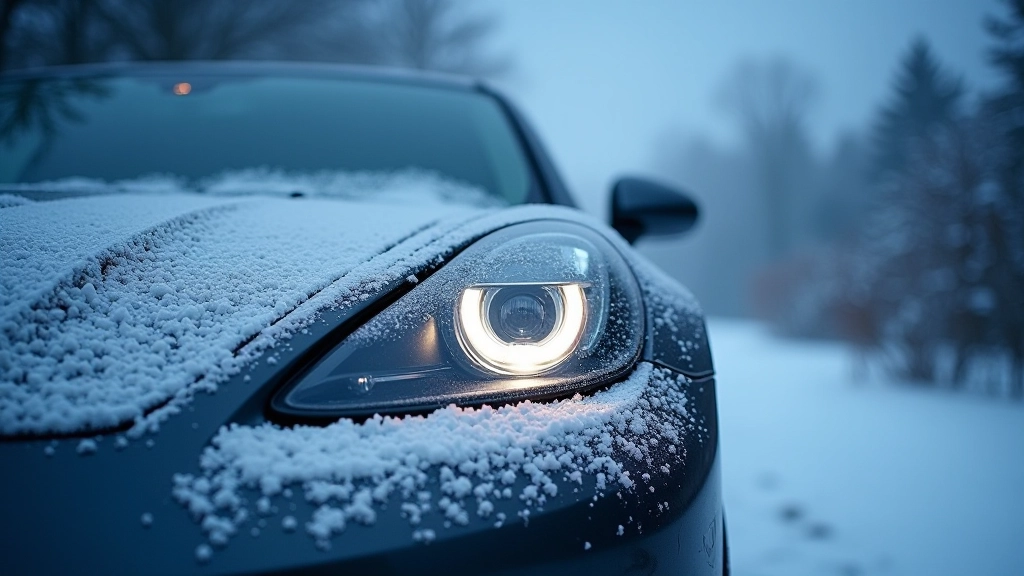
Different seasons bring different challenges. Winter brings salt spray from roads, which is particularly harsh on protective coatings. Summer brings intense UV. Spring and fall are your maintenance sweet spots.
Set a seasonal reminder — maybe on your phone for the first day of each season — to do a headlight inspection. Look for any haziness starting to form. Check if the lens is still clear when you look at it from the side. Run your hand over the surface and feel for any rough spots. These early signs tell you it's time for a deeper cleaning or possibly a professional touch-up.
In winter especially, wash your headlights more frequently. That road salt and grime combination is aggressive. After a long winter drive or a trip through salted roads, give them an extra cleaning. It only takes a few minutes and it genuinely helps preserve that restoration work.
The real secret to keeping your headlights clear isn't about fancy products or complicated procedures. It's consistency. Clean them regularly with soft materials and warm water. Park in shade when you can. Check them seasonally. That's genuinely it.
Your restored headlights represent an investment in your vehicle's safety and appearance. These habits are small ways to protect that investment without any real inconvenience. Most of this takes just a few minutes of your time spread across the year. In return, you get to enjoy clear, bright headlights that actually work the way they're supposed to.
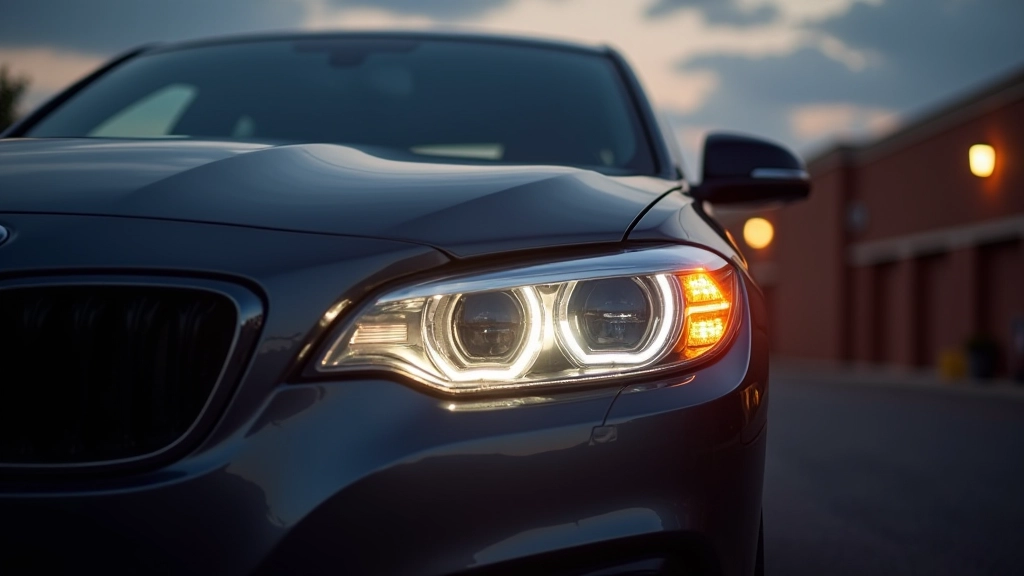
Understand the science behind lens oxidation. UV rays, moisture, and age all play a role in headlight degradation.
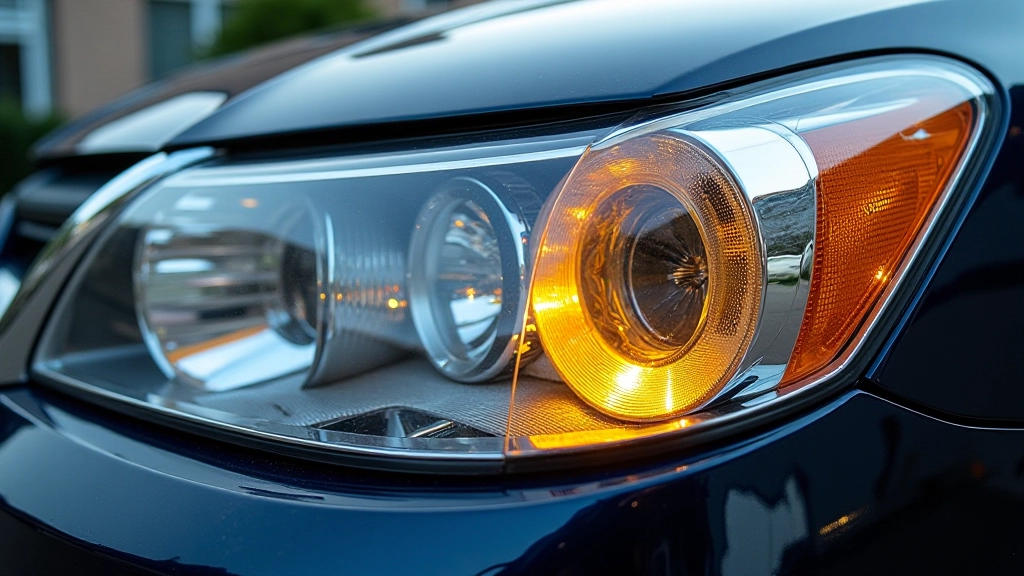
Quick fixes might work temporarily. Professional polishing and UV sealant provide lasting clarity and protection.
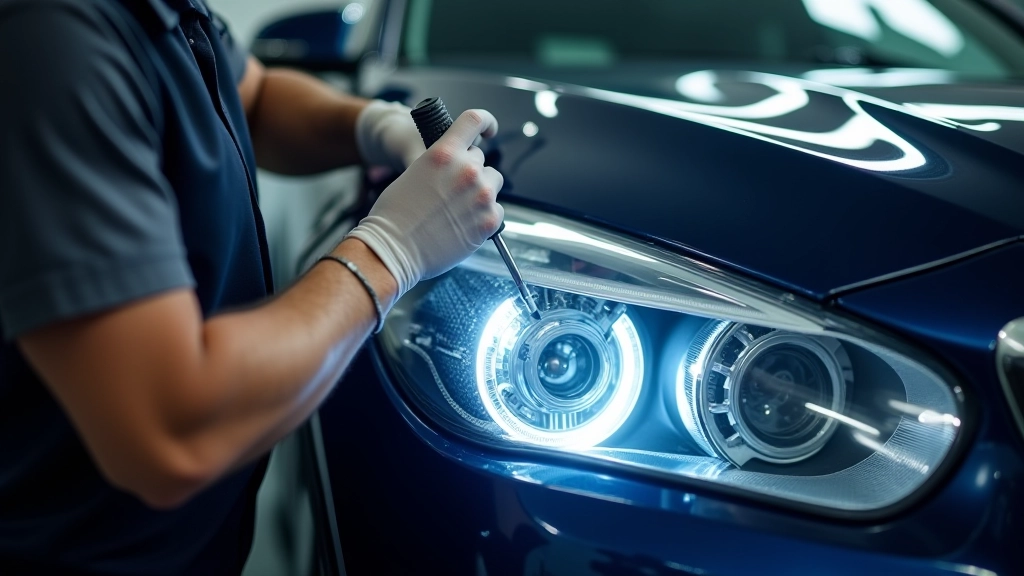
A quality UV sealant is what keeps your restored lenses clear for years. Learn how this protective layer works.