
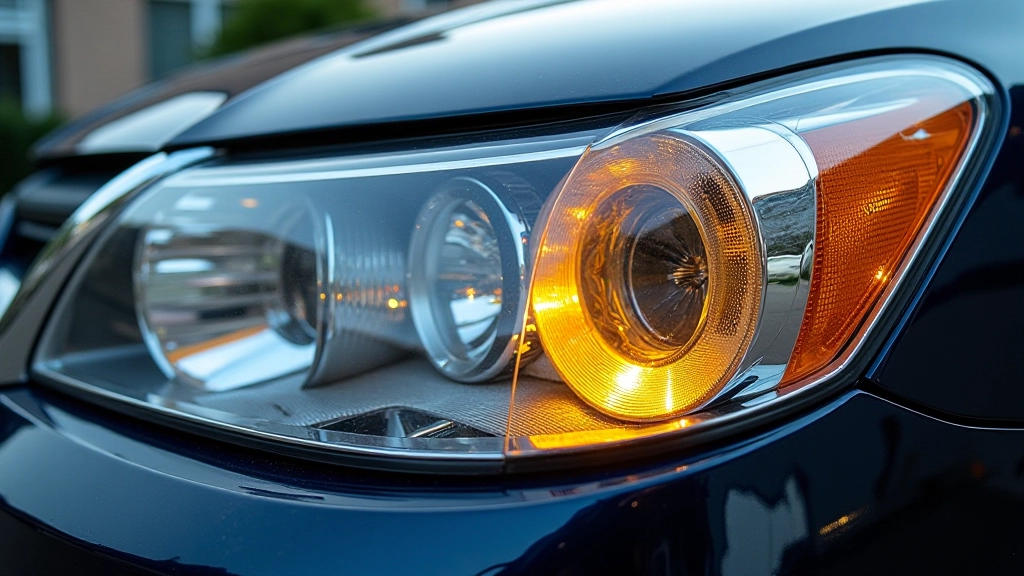
DIY vs Professional Restoration — What's the Difference
Quick fixes might work temporarily. Professional polishing and UV sealant provide lasting results that actually protect your lenses.
Read ArticleUnderstand the science behind lens oxidation. UV rays, moisture, and age all play a role in turning clear lenses yellow and hazy.
By
Editorial Team
Written by the marloline editorial team, focused on practical guidance for headlight restoration and lens care.
Your headlights aren't clouding up because they're getting old. There's actual science behind it. Modern headlight lenses are made from polycarbonate plastic — not glass. That's great for impact resistance and weight, but it's not great for clarity. Polycarbonate degrades when exposed to UV radiation, and that's where the problem starts.
We'll walk you through exactly what happens to your lenses over time. Understanding the causes helps you see why restoration works and why prevention matters.
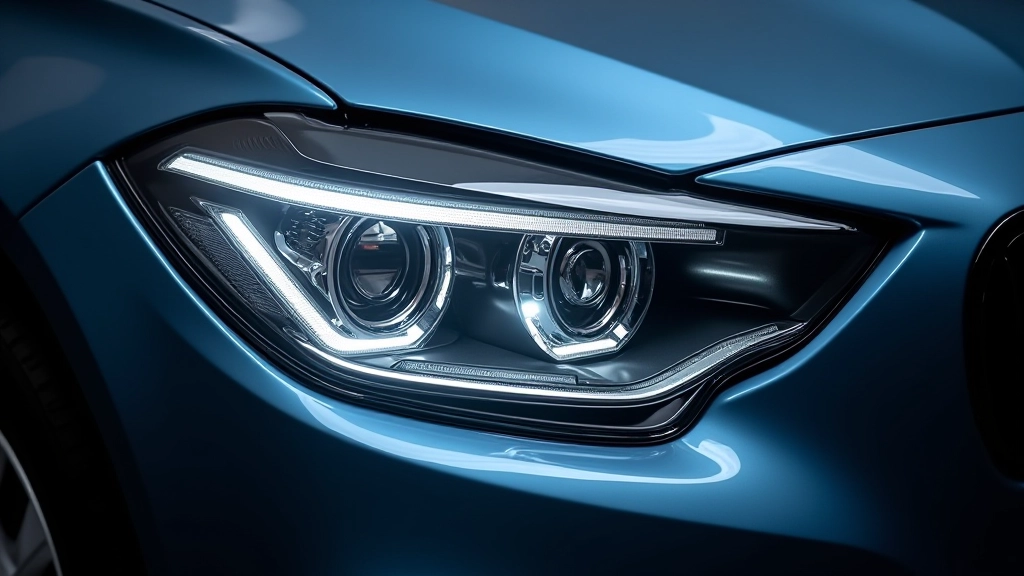
Cloudiness doesn't happen overnight. It's a combination of three factors working together, and all three are working on your headlights right now.
The sun emits ultraviolet rays that break down polycarbonate at the molecular level. This oxidation process creates a hazy, yellowed layer on the lens surface. Even on cloudy days, UV rays get through.
Water gets in. It's not always obvious — sometimes it's condensation, sometimes it's from washing your car. Moisture trapped inside or on the lens surface accelerates oxidation. Combined with UV, it creates that milky, cloudy appearance you see.
Salt, road spray, and cleaning chemicals etch the protective coating on your lenses. Once that coating is compromised, UV damage accelerates. In harsh climates, this process speeds up dramatically.
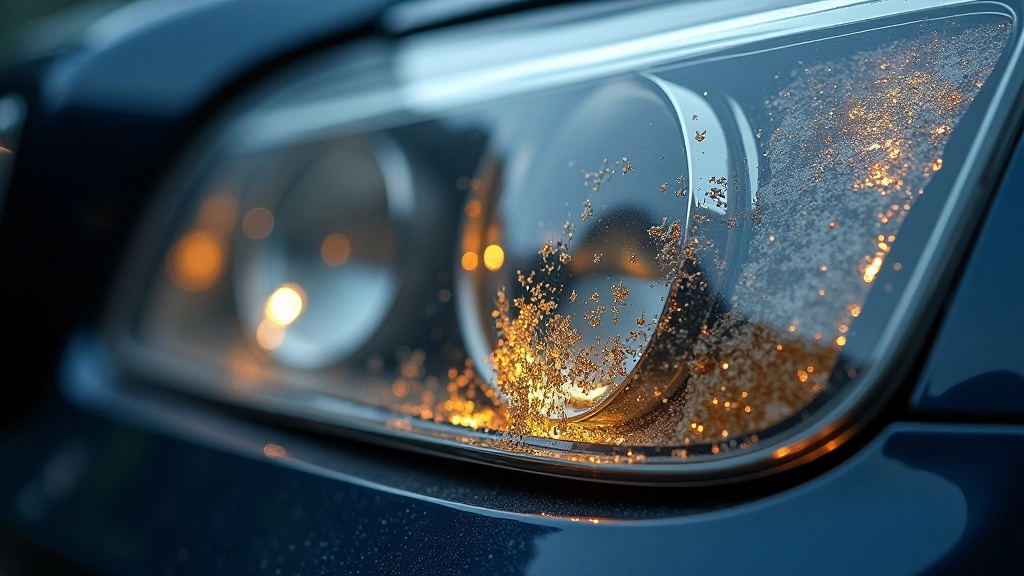
It's a gradual process. Here's what typically happens year by year.
The protective coating starts to wear. You'll notice the lenses aren't as shiny or reflective as they used to be. Light output is still good, but you can see the change if you look closely.
Now it's obvious. The lenses have a cloudy, yellowed appearance. Light output is noticeably reduced — you're not getting the same brightness you used to. Nighttime visibility suffers.
The lenses are significantly clouded and may have a yellowish tint. Light output is compromised — sometimes by 50% or more. Safety becomes a concern. This is when restoration becomes really important.
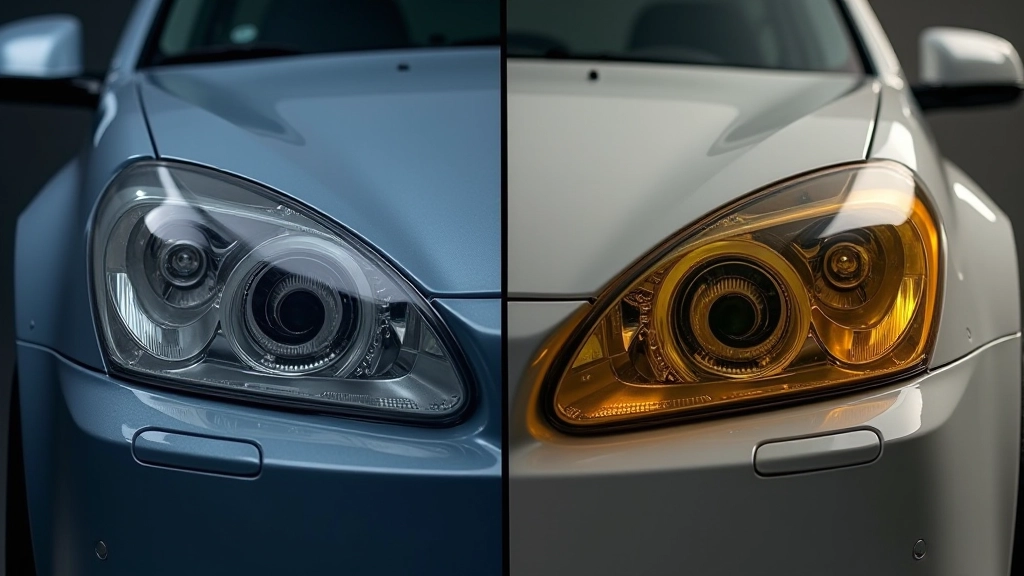
Cloudy headlights aren't just a cosmetic issue. You're losing light output — sometimes significantly. Research shows that heavily oxidized headlights can reduce light output by 50% or more. That's a real safety problem when you're driving at night or in poor conditions.
Beyond safety, there's the practical side. Your headlights work harder to compensate for reduced output, which can shorten their lifespan. And if you're thinking about resale value — cloudy headlights are one of the first things buyers notice.
The good news? This isn't permanent. Once you understand what's causing the cloudiness, you can fix it and prevent it from happening again.
Some conditions accelerate the clouding process. If any of these apply to you, your headlights are at higher risk.
If you park outside regularly, your lenses are getting hit with UV rays all day. Sunny climates see faster degradation than cloudy regions.
Winter road salt and chemical de-icers are particularly harsh on headlight coatings. Coastal areas see similar issues from sea salt spray.
Moisture trapped in or around the headlight housing speeds up oxidation. High-humidity environments are tougher on headlights.
Older cars have older headlights with older protective coatings. The damage accumulates over time. Vehicles over 7-8 years old typically show significant clouding.
You can slow down the process, but you can't stop it completely. UV exposure is constant, and that's the main driver. That said, some steps help:
Even with these precautions, you'll likely need restoration at some point. But delaying the problem is better than ignoring it.
This guide provides educational information about headlight lens degradation and oxidation. It's intended to help you understand the causes of cloudy headlights and why restoration matters. For specific advice about your vehicle's headlights or professional restoration services, consult with a qualified automotive technician or restoration specialist in your area.
Cloudy headlights are caused by UV radiation, moisture, and oxidation working on polycarbonate lenses over time. It's not something you can completely prevent, but it is something you can fix. Once you understand what's happening to your lenses, restoration makes sense — both for safety and for keeping your car looking sharp.
Ready to learn what happens next? Check out our guide on DIY versus professional restoration to see which approach works best for your situation.
Continue learning about headlight restoration and care.
Quick fixes might work temporarily. Professional polishing and UV sealant provide lasting results that actually protect your lenses.
Read Article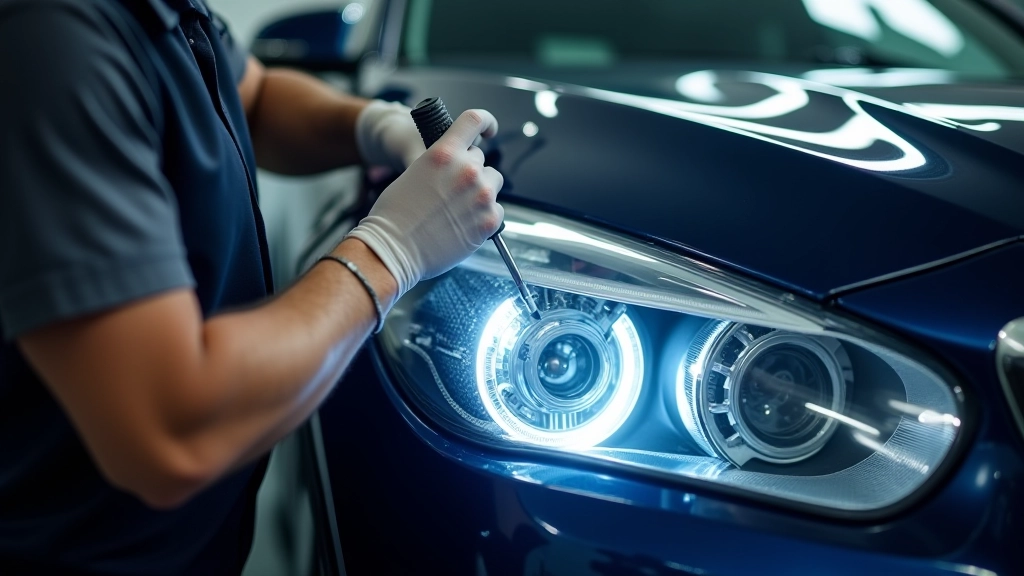
A quality UV sealant is what keeps your restored lenses clear for years. We'll explain how protection works and why it matters.
Read Article
After restoration, simple habits can help protect your lenses. Regular cleaning and proper storage make a real difference.
Read Article