
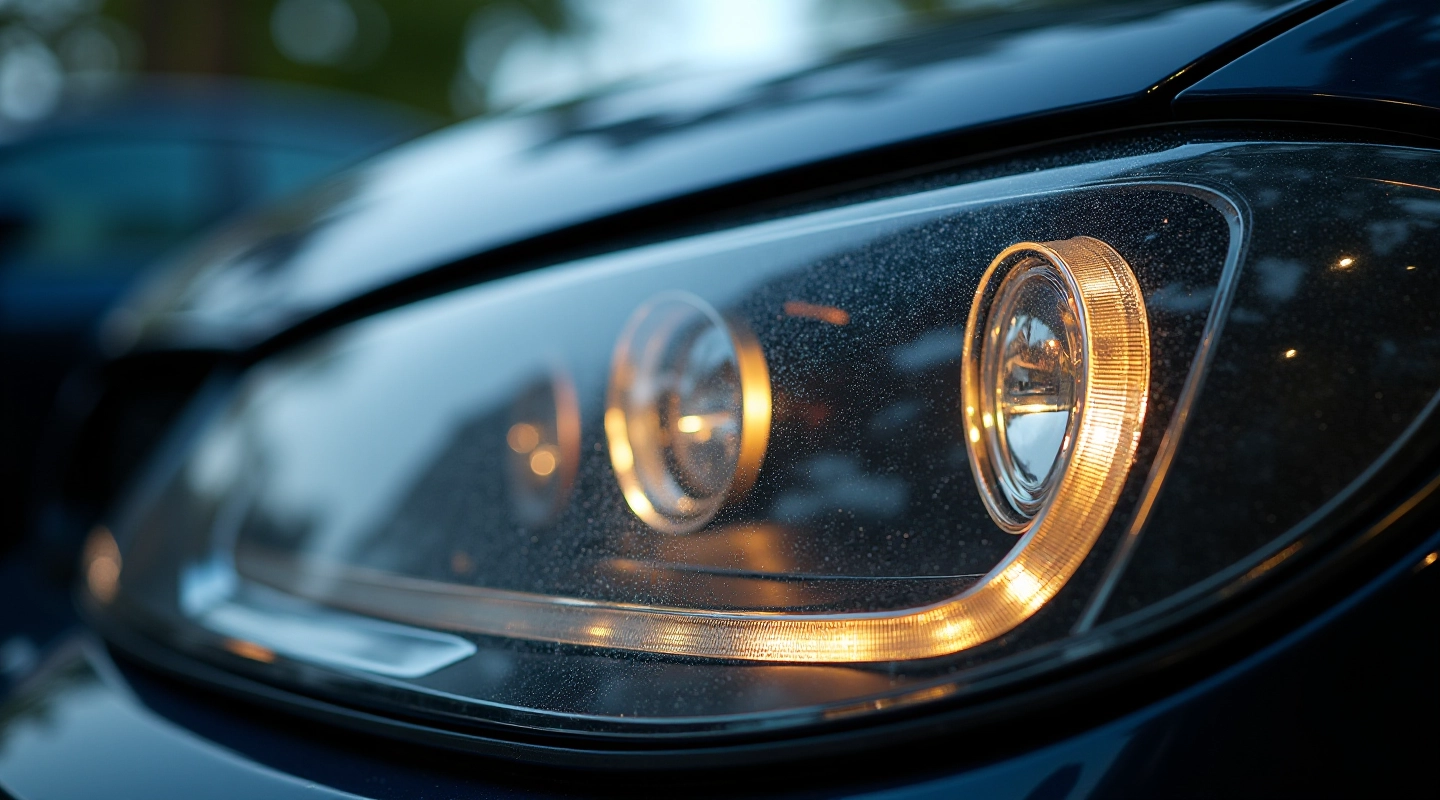
Why Headlights Get Cloudy and What Causes It
Understand the science behind lens oxidation. UV rays, moisture, and age all play a role in headlight degradation.
Read MoreA quality UV sealant is what keeps your restored lenses clear for years. We'll explain how it works and why it's essential for long-term protection.
Author
Editorial Team
Written by the marloline editorial team, focused on practical guidance for headlight restoration and lens care.
After we've polished your headlight lenses back to clarity, the real protection begins. A UV sealant isn't just a nice finishing touch — it's what stands between your restored lenses and the elements that clouded them in the first place.
Think of it like this: you wouldn't seal a deck and then skip the protective coating. The sealant creates a barrier. It's transparent, but it's working constantly to shield your lenses from UV radiation, oxidation, and moisture. Without it, you're looking at the same clouding problem returning within a few months.
We're going to walk you through what makes a quality UV sealant effective, how long you can expect it to last, and what happens if you skip this step entirely.
Quality UV sealants typically last 2-4 years depending on climate and driving habits. In Ventspils with our northern sun and seasonal changes, we typically see 2.5-3 years of solid protection.
The polycarbonate material in modern headlights isn't inherently resistant to UV rays. When exposed to sunlight, the polymer chains in the plastic break down through a process called photodegradation. This is what causes that yellowing and cloudiness you see on older cars.
A UV sealant works by sitting on top of the lens surface and absorbing those harmful UV wavelengths before they reach the plastic underneath. It's a sacrificial layer in the best sense — it's designed to take the hit so your headlight lens doesn't have to.
The best sealants are hard-wearing too. They don't wash off with the first rain or car wash. Professional-grade sealants are applied in multiple thin coats, creating a protective layer that's actually quite durable. It'll still degrade over time — that's normal — but quality products hold up for years.
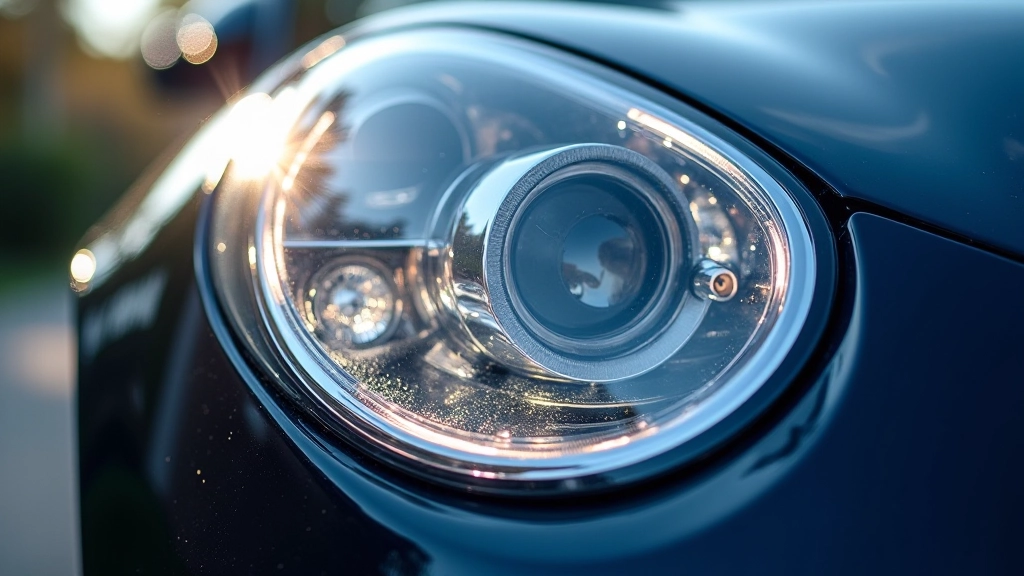
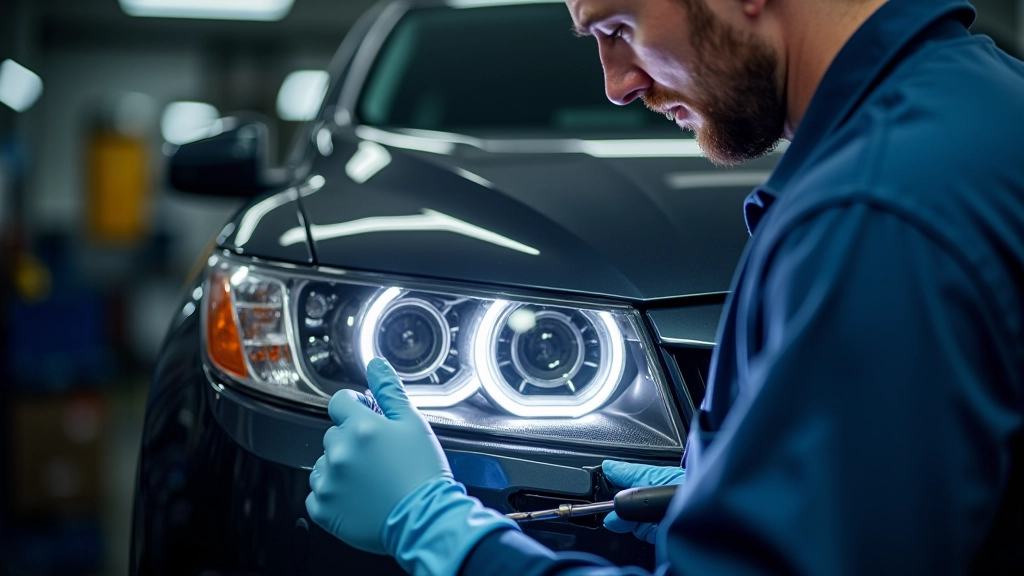
UV isn't the only threat to your headlights. Moisture gets in there too, especially in a place like Ventspils where we deal with salt air and humidity. The sealant creates a hydrophobic barrier — water beads up and rolls off rather than seeping into microscopic cracks.
Oxidation happens when the plastic reacts with oxygen in the air. It's slow, but relentless. A quality sealant slows this process significantly. You're not stopping it completely — that's not realistic — but you're buying years of clarity instead of months.
The combination of UV blocking plus moisture resistance is what makes sealant so effective. You're not fighting one enemy, you're fighting several at once. And the sealant handles all of them with one protective layer.
Not all UV sealants are created equal. Here's what separates the good ones from the mediocre ones.
Professional sealants are formulated to block the full spectrum of harmful UV rays — UVA, UVB, and some UVC. Consumer-grade products often only block part of the spectrum.
Good sealants repel water with a contact angle of 90 degrees or higher. This means water doesn't cling to the surface — it rolls off cleanly, taking contaminants with it.
Professional application means multiple thin coats, typically 3-4 layers. Each layer bonds to the one below, creating a stronger protective system than a single thick coat.
Reputable sealants are tested under accelerated weathering conditions — essentially simulating years of sun exposure in a lab. You know exactly how long they'll last.
The best products won't yellow or discolor over time. You get the same crystal-clear appearance after 3 years as you did on day one of application.
Professional application includes thorough surface prep — removing polish residue, dust, and oils. The sealant bonds better to a perfectly clean surface.
You can't just slap sealant on a headlight and call it done. The application technique is just as important as the product itself. Here's what a proper process looks like:
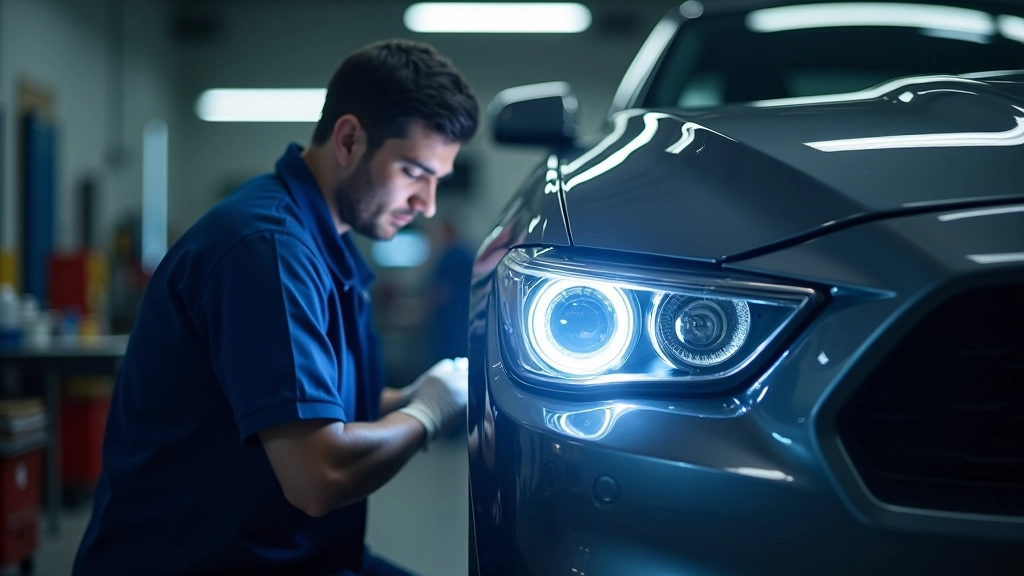
After polishing, the lens is cleaned with a degreaser to remove any residual compounds. Even fingerprints can interfere with adhesion.
Some systems use a primer that helps the sealant bond to the polycarbonate. This increases adhesion and longevity significantly.
Sealant is applied in thin, even coats using applicators that ensure consistent coverage. Too much and it becomes streaky; too little and you lose protection.
The sealant needs time to cure fully — usually 24-48 hours. During this time, chemical bonds form between the sealant and the lens surface.
This article is educational and informational in nature. The effectiveness of UV sealants can vary based on climate conditions, driving habits, and environmental exposure. Results may differ depending on your specific situation. Always follow manufacturer recommendations and consult with a professional technician for personalized advice about your headlight restoration and maintenance needs.
You've invested in restoring your headlights. It's worth protecting that investment properly. A quality UV sealant isn't an upsell or an optional extra — it's the foundation of keeping your lenses clear for years to come.
The science is straightforward: UV rays and moisture degrade polycarbonate. A professional-grade sealant blocks those threats. It'll last 2-4 years depending on your climate and driving conditions. Then it'll need reapplication, but by then you'll already know the value it's provided.
Don't skimp on this step. The cost difference between consumer and professional sealants is small compared to the cost of redoing the restoration if cloudiness returns. Get it done right the first time, and you won't regret it.
Understand the science behind lens oxidation. UV rays, moisture, and age all play a role in headlight degradation.
Read More
Quick fixes might work temporarily. Professional polishing and UV sealant provide lasting results that DIY methods can't match.
Read More
After restoration, simple habits can help protect your lenses. Regular cleaning, proper storage, and monitoring go a long way.
Read More